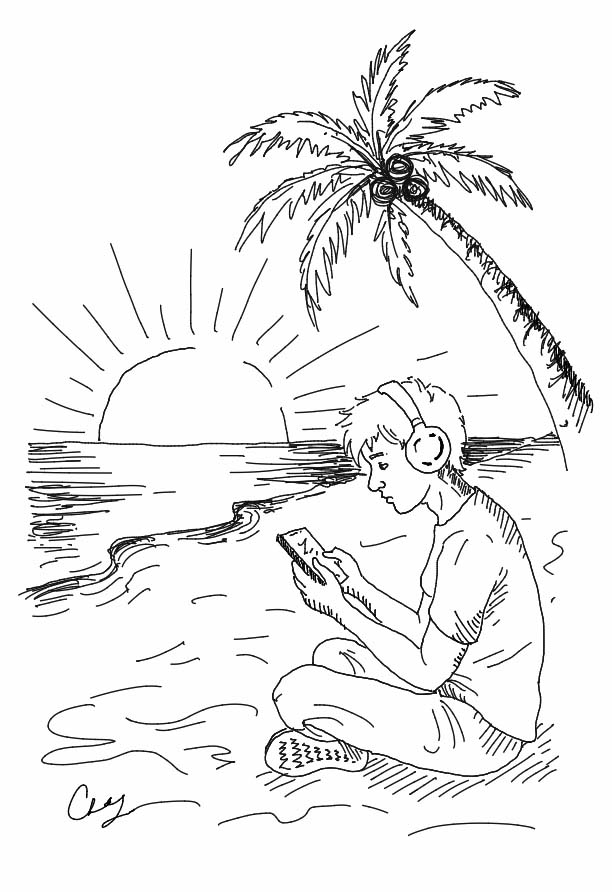
Scrolling through countless posts on the social media platforms of our choice, our numb minds hardly wonder how the stream of media becomes so perfectly curated for us. Behind the veneer of an endless “for you page,” exploited human labor fuels social media platforms.
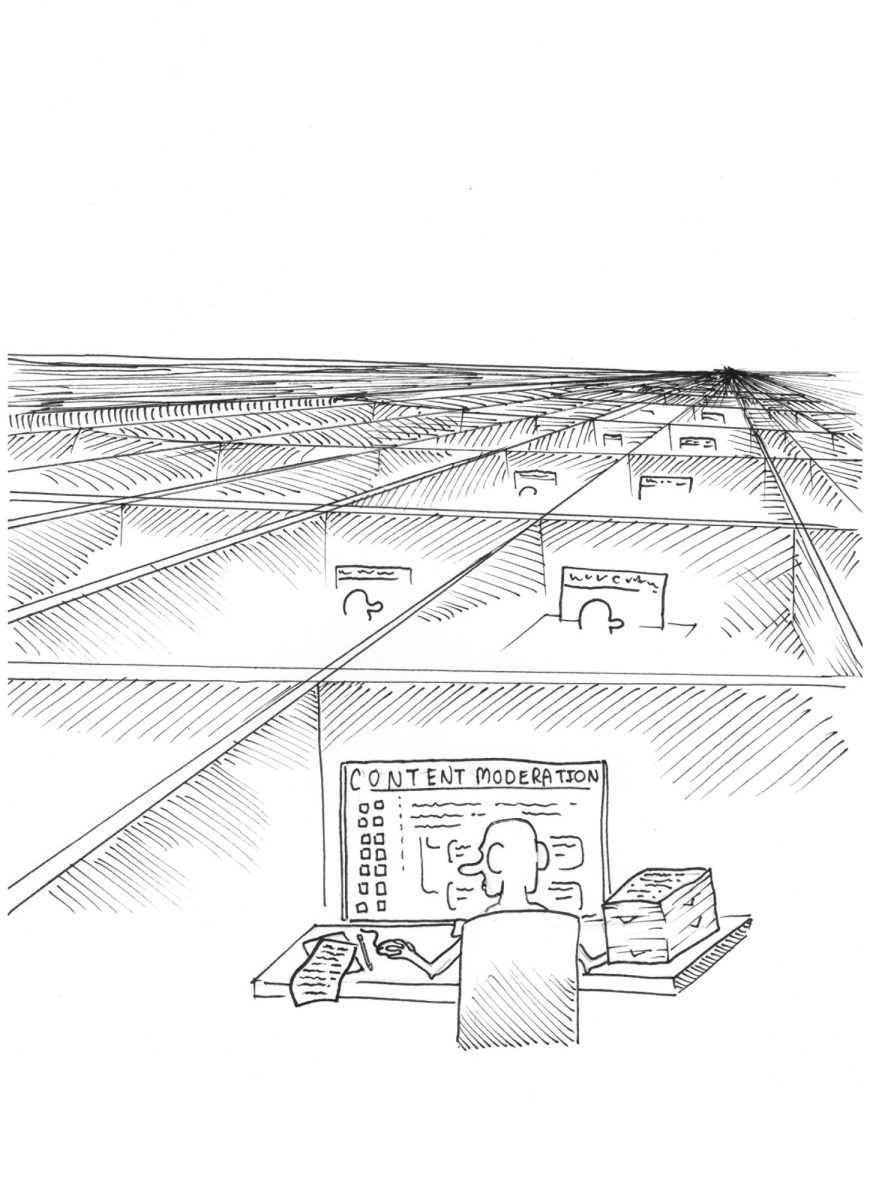
Sitting among rows of colleagues, content moderators search tediously through violent and graphic content in response to user reports. Working for hours, they are physically and mentally exhausted, but this is the least of their issues. Being forced to view grotesque media almost daily inflicts serious psychological harm on every content moderator.
As of July 2024, most content moderators were outsourced from Kenya in East Africa. The business process outsourcing company in charge took people from low-income areas and offered employment contracts that would often last only one or three months. Shifts were as long as 10 hours for wages just over a dollar an hour.
Faced with lawsuits and public concern over the human rights of workers, Meta removed itself from Kenya to Ghana. Rather than improving conditions, Meta only learned to be more secretive. It is through the findings of the Bureau of Investigative Journalism that we glimpse into the current struggles of content moderators.
Based in Accra, the capital of Ghana, Teleperformance is the new company that has made a contract with Meta. For months, Meta refused to disclose this information. Workers at Meta have even been instructed to keep it a secret from their friends and family. Teleperformance has reported that a staff of licensed psychologists has been hired to provide support for their workers, but the personal accounts from workers suggest otherwise.
At Teleperformance, workers still face unbearable psychological trauma, resulting in dark impacts on their personal lives. This job desensitizes employees to blood, gore, and sexually graphic content. Most report that they will never be the same person, that it has negatively impacted their familial lives, and that the job has caused life-threatening mental states in workers.
The long hours, the abysmal wages, and the disregard for mental well-being would be unlivable in America, which is exactly why this labor is outsourced. The way to keep workers in these conditions is to find people who have nowhere else to go. The common response to worker complaints is a reminder from their manager of how easily they can be replaced.
Additionally, outsourcing labor provides a barrier for consumers. Meta can rely on exploitative labor without losing the demand. Students who have Instagram downloaded are largely unaware of this reality. However, once users’ eyes are opened to the issue, the information does raise concern.
“That makes me want to never use Instagram ever again,” said senior Haley Hengsteler. “I’m literally just speechless. That’s horrendous to put people through that — insane. Literally insane.”
“I think it’s disgusting, but also, what do you expect from these billion-dollar companies?” responded sophomore Sophia Ibarra. “Meta doesn’t care about the damage they do to their employees; they care about making money and keeping people hooked.” Though Meta is actually a trillion-dollar corporation, Ibarra is categorically accurate: Meta prioritizes profit at the cost of its employees.
This exploitation does not end in Ghana, nor does it end with Meta. TikTok, YouTube, and Pinterest all rely on similar sources of exploitative labor. The demand for large datasets that train AI models is creating a growing market for data annotators, working in similar conditions to content moderators.
If social media companies cared about having safe and fair working environments, they would not outsource labor or avoid lawsuits, and workers would feel free to voice their complaints. In reality, those who speak up are often fired.
The media that people choose to upload cannot be changed, but the jobs of content moderators do not have to be this way. The hours and wages can be improved, and laborers should be able to advocate for improved working conditions, but that is up to the corporations.
If we want to remedy the mental state of these workers, consumers must get involved. It is challenging to target individuals who upload disturbing content, but social media users can still limit their use. If users were to reduce their consumption, it would reduce the power that they have over us.
Videos with graphic material are published and circulated for sensationalism. If engagement is what these platforms require, we must not provide it. If people can develop mental illness from viewing this media every day, the effect of scrolling on the everyday person cannot be benign.
Social media platforms profit from consumers staying uninformed and addicted. If social media continues to be used on such a massive scale, these conditions will not stop. If not for your own sake but the sake of exploited content moderators, stop scrolling.
If you are interested in a deeper dive into the findings of The Bureau of Investigative Journalism, check out their article “Suicide attempts, sackings and a vow of silence: Meta’s new moderators face worst conditions yet” at www.thebureauinvestigates.com.