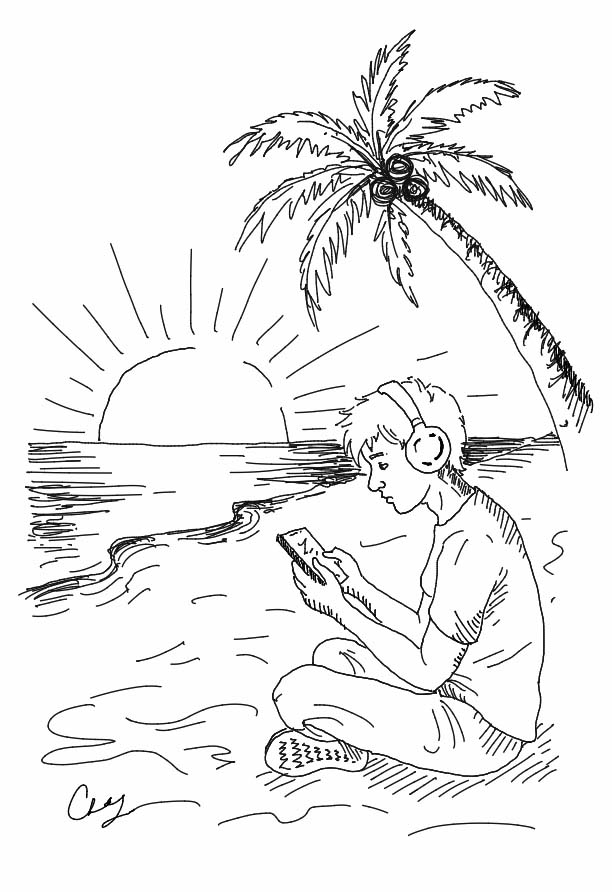
Generation Z has brought mental health to the mainstream. We can spot gaslighting in seconds. We help strangers identify “love-bombing” online. On paper, we are regarded as the most emotionally literate generation.
Yet, we are also the loneliest.
The problem isn’t that we don’t know enough about feelings; it is that we have weaponized that knowledge to avoid feeling them. We are using therapy-speak—like attachment styles designed to study childhood development—to explain away our romantic failures. We use words like “trauma” and “triggers” without always understanding the weight of those experiences.
Human beings are being treated like robotic objects. We rely on situationships because we are unable to commit, yet we perform intimate actions within casual relationships. We are protecting ourselves so much that we have quarantined ourselves from real human connection.
Situationships, not being ready for labels, is about fear rather than freedom. It offers the dopamine of a relationship without the risk of commitment. It creates the illusion of safety. Without a label, you can easily move on, or you can keep your options open. But this creates a specific type of loneliness: intimacy without safety.
You are holding someone’s hand but keeping one foot out the door. It wastes time, and it hollows out both people involved.
We have learned to use terms like “protecting my peace” to avoid accountability. Boundaries are necessary, yes. But when we retreat from vulnerability using buzzwords as a shield, we are actively promoting the isolation we claim to hate.
Worse, we have started diagnosing our friends. We label them “narcissists” or analyze their “avoidant attachment” when they take a few hours to respond.
Your social circle is not a waiting room. The goal is to connect by talking, not to stereotype with labels.
We have decided that caring leads to hurt, or it gives us the “ick.” So, we settle. We talk bad about our romantic partners online. We stay in friend groups we secretly hate simply to have people nearby. We settle for a warm body to avoid being alone.
Being alone and being lonely are not the same thing. There is no loneliness louder than sitting next to someone you resent.
On the opposite end, we have yearning—the deep limerence we see all over social media. We heavily romanticize the idea of a person through playlists or mood boards rather than getting to know the person themselves. This is a solitary activity. You are building a relationship in your head, meaning you are the only one in it. It is a fantasy that keeps you safe from rejection, but it also keeps you safe from love.
Mental health awareness is a good thing. We are lucky we are able to openly discuss trauma and coping mechanisms. These feelings are valid parts of our lived experience.
But we need to ask ourselves: Is our “emotional intelligence” actually helping us connect, or is it just a fancy way to build walls?
We need to move beyond just knowing about connection. Real intimacy is messy. It is annoying. It is vulnerable. Our literacy has kept us safe, but safety isn’t the goal—connection is.
You cannot connect without risk. Be messy.